Getting to Udaipur and Getting Around
Udaipur is well connected by air, rail, and road, making it accessible from major Indian cities.
- By Air: Maharana Pratap Airport is located about 20 km from the city centre, with regular flights from Delhi, Mumbai, Jaipur and Bengaluru. The drive into the city typically takes about 30 minutes.
- By Train: For rail travellers, Udaipur Railway Station lies close to the city centre, around 4 km away. Trains such as the Chetak Express connect Udaipur to Delhi and other major routes.
- By Road: Within the city, auto rickshaws are the most practical option. App-based services like Ola, Uber, and Rapido help avoid fare negotiations.
Travelling Tip: Udaipur's old city lanes are narrow. Leave your luggage at the hotel and explore on foot or by auto-rickshaw.
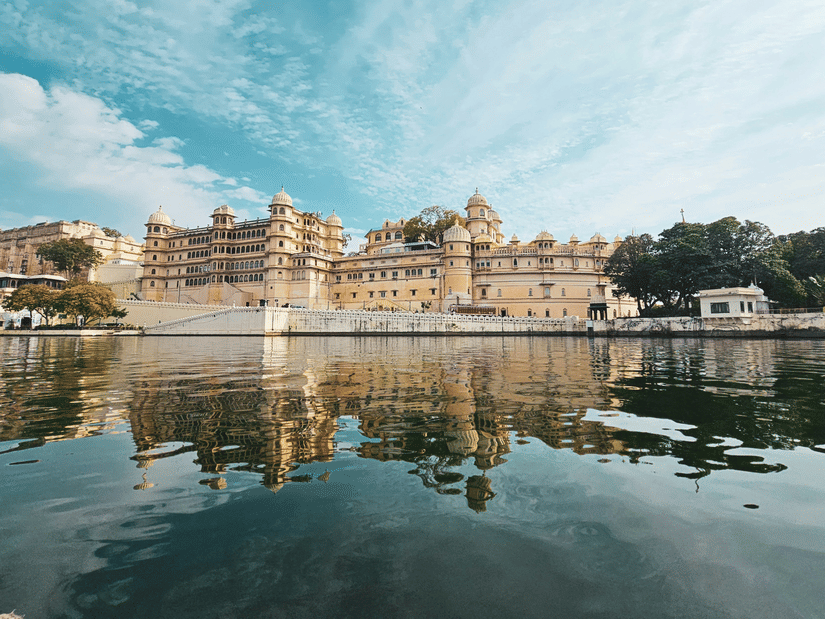
City Palace Udaipur
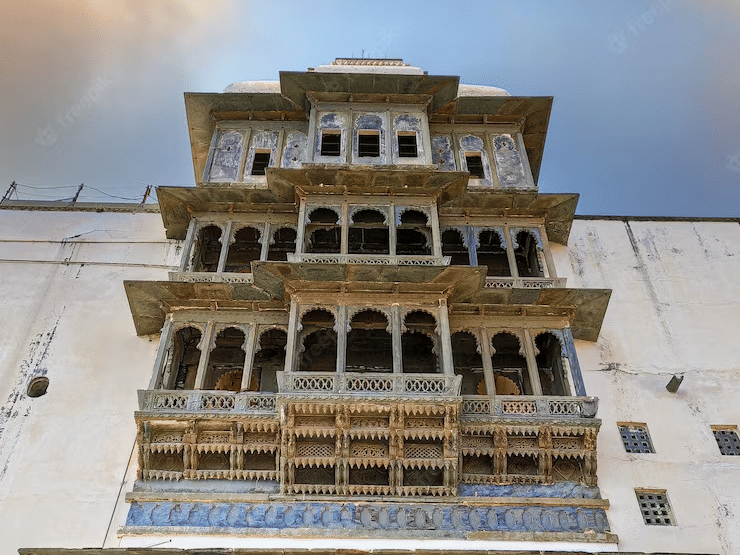
This beautiful monument is the architectural centre of Udaipur. Built over a period of 400 years, it reflects a blend of Rajput and Mughal styles, with courtyards, balconies and detailed interiors overlooking the lake.
Visitor Information:
- The main museum, including Mor Chowk and the Crystal Gallery, is open daily from 9:30 AM to 6:30 PM.
- The entry fee for the palace museum is INR 400 for adults (subject to revision).
- Recommended visit duration is at least 3 hours for a thorough experience.
Travelling Tip: Visit the palace when it opens at 9:30 AM to beat the crowds, especially during the October to February peak season.
Lake Pichola
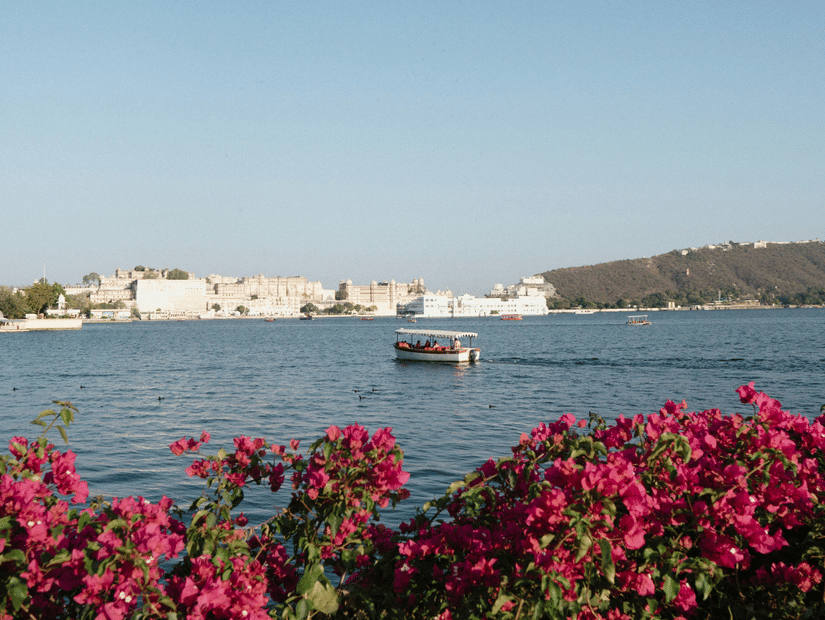
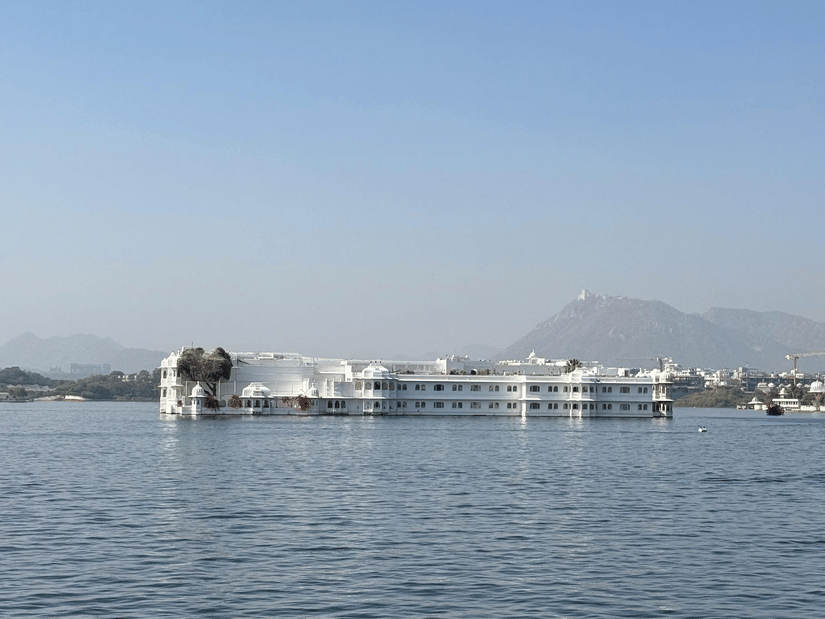
Constructed in the 14th century, this lake is one of the most recognisable landmarks in the city. Boat rides offer views of the iconic Lake Palace and Jag Mandir.
Visitor Information:
Visitor Information:
- Boat rides depart from the City Palace Bansi Ghat jetty. The standard 1-hour circuit covers Jag Mandir Island and passes close to the Lake Palace hotel.
- Government-operated boat rides cost approximately INR 400 per person for the Jag Mandir circuit.
- The evening light on the Lake Palace between 5 PM and 6 PM is particularly striking.
Travelling Tip: Evening boat rides provide the best views as the light softens across the lake.
Sajjangarh Fort
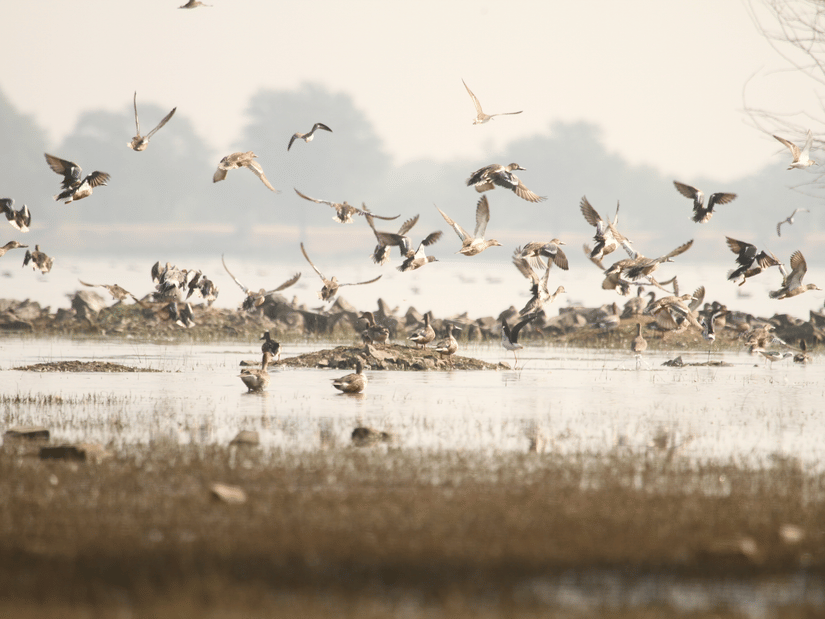
Also known as ‘Monsoon Palace’, this fort stands on the Bansdara peak of the Aravalli Hills, about 12 km from the city centre and 944 m above sea level. Maharana Sajjan Singh commissioned it in 1884 with the original intention of observing monsoon clouds and tracking the movement of migratory birds.
Visitor Information:
Visitor Information:
- The palace is managed by the Archaeological Survey of India.
- The surrounding area is part of the Sajjangarh. Wildlife Sanctuary
- Entry fee is INR 120 for Indian nationals and INR 500 for foreign visitors.
- A government-operated jeep service runs from the base to the summit at approximately INR 200 per vehicle.
Jag Mandir
Also known as ‘Lake Palace Island’, Jag Mandir sits in the southern part of Lake Pichola and is home to a palace complex that was begun in 1620 by Maharana Karan Singh. The island offered refuge to the Mughal Prince Khurram (later Emperor Shah Jahan) in 1623 during his conflict with his father, Jehangir, and the marble structures bear influence from both Rajput and Mughal craftsmanship.
Visitor Information:
Visitor Information:
- The island is accessible by boat from the City Palace jetty.
- The complex includes the Gul Mahal, Bada Patharon Ka Mahal, and the Zenana Mahal.
Bagore Ki Haveli
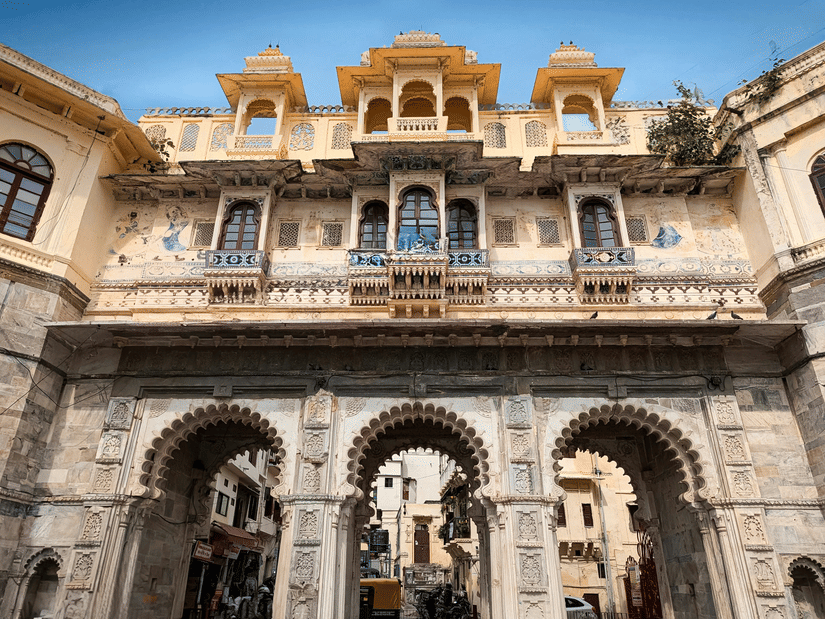
This is an 18th-century mansion built by Mewar Prime Minister Amir Chand Badwa on the Gangaur Ghat waterfront. It houses a museum spread across 138 rooms that displays royal costumes, folk art, and artefacts from the Mewar period.
Visitor Information:
Visitor Information:
- The haveli is open daily from 9:30 AM to 5:30 PM.
- Every evening at 7 PM, the museum hosts a 45-minute Dharohar Folk Dance performance in the courtyard.
- It is considered one of the most authentic cultural programmes in Rajasthan.
- Tickets are priced at approximately INR 60 for Indians & INR 100 for foreigners.
Travelling Tip: Book Dharohar Folk Dance tickets at the gate or online in advance during the November to February peak season, as shows fill quickly.
Ahar Cenotaphs
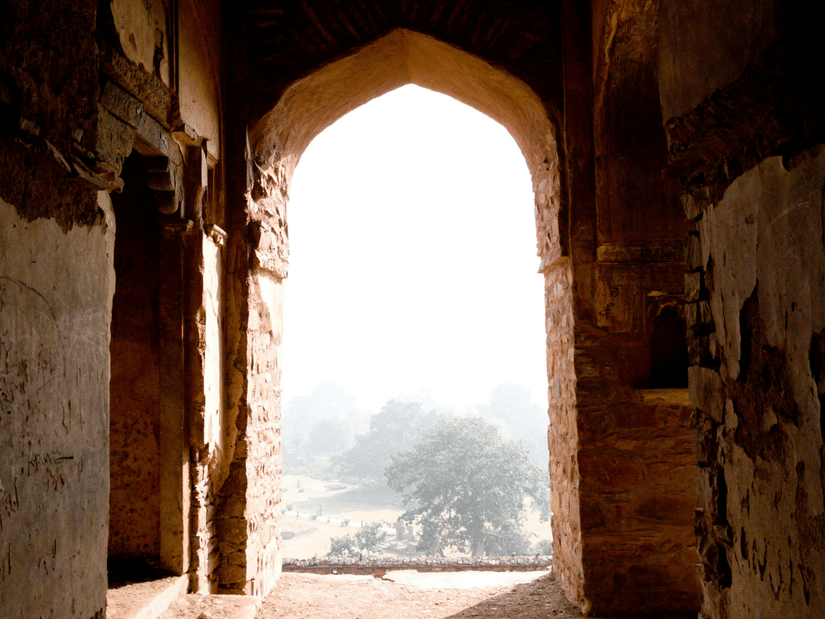
Also known as ‘Ahar Chhatris’, these are a necropolis of 19 cenotaphs and 250 minor memorials built for the Mewar kings over 4 centuries, located about 5 km east of the City Palace. The site honours rulers from Maharana Mokul (15th century) onwards. Ahar also contains the Ahar Archaeological Museum, which displays artefacts from the Ahar civilisation dating back to 1700 BCE.
Visitor Information:
Visitor Information:
- Entry to the cenotaphs is free.
- The necropolis is open from 9:45 PM to 5:15 PM.
- The museum charges a nominal fee of INR 5 for Indians.
Vintage Car Museum
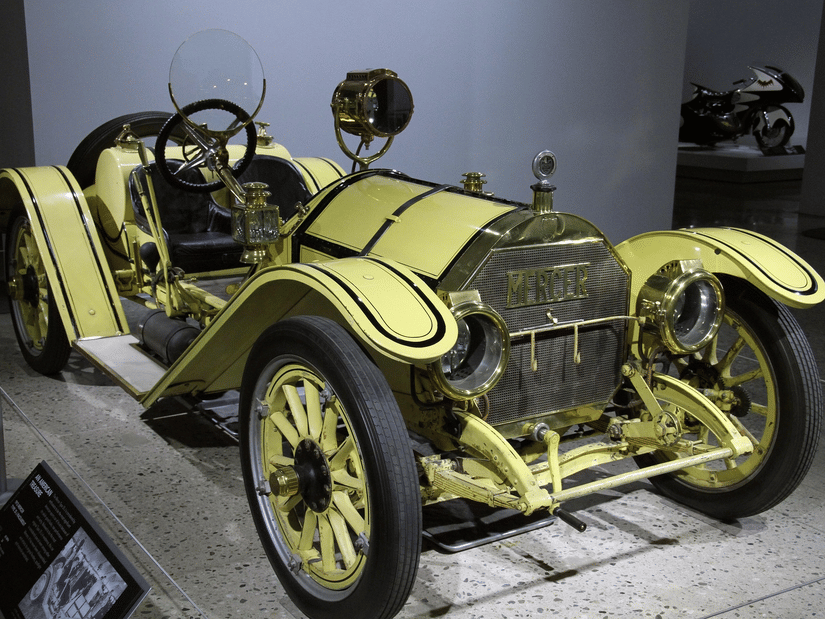
The Vintage and Classic Car Collection, managed by the City Palace trust, displays 22 vehicles from the royal garages, including a 1934 Rolls-Royce Phantom, a 1938 Cadillac, and the 1936 Vauxhall that once ferried Maharaja Sajjan Singh.
Visitor Information:
Visitor Information:
- The museum is open from 9 AM to 9 PM daily.
- Entry costs INR 400 for adults and INR 250 for children.
- The museum is located within the Garden Hotel complex at Gulab Bagh, about 1 km from the City Palace.
Fateh Sagar Lake
Lying about 6 km north of Lake Pichola, Fateh Sagar Lake was originally constructed in 1678 by Maharana Jai Singh and later rebuilt in 1889 by Maharana Fateh Singh. The lake is home to 3 small islands: Nehru Island (with a public park), the Udaipur Solar Observatory (one of only 4 solar observatories in India), and an island with a water-jet fountain.
Visitor Information:
Visitor Information:
- Boat rides on Fateh Sagar cost around INR 30 per person on public motor launches.
- Private speedboats are available starting from INR 500 per trip.
Shilpgram
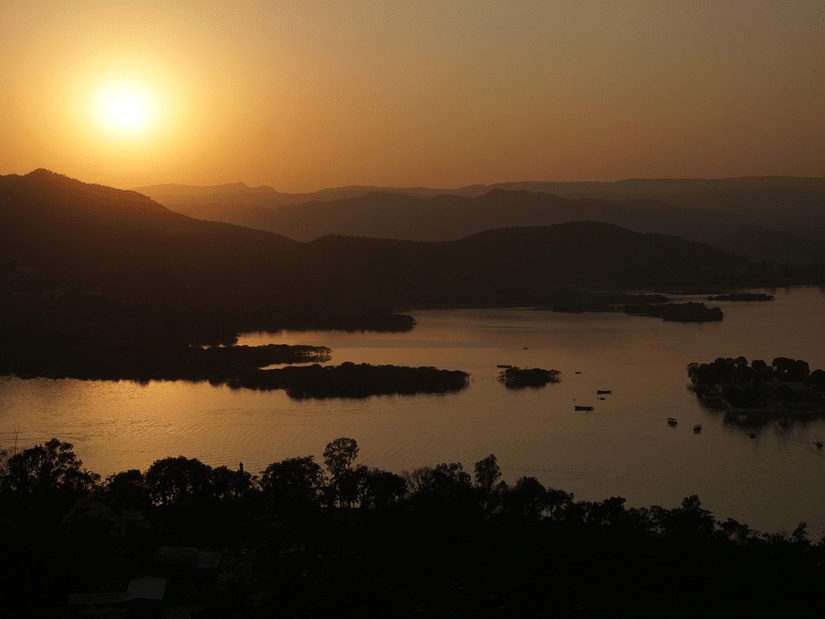
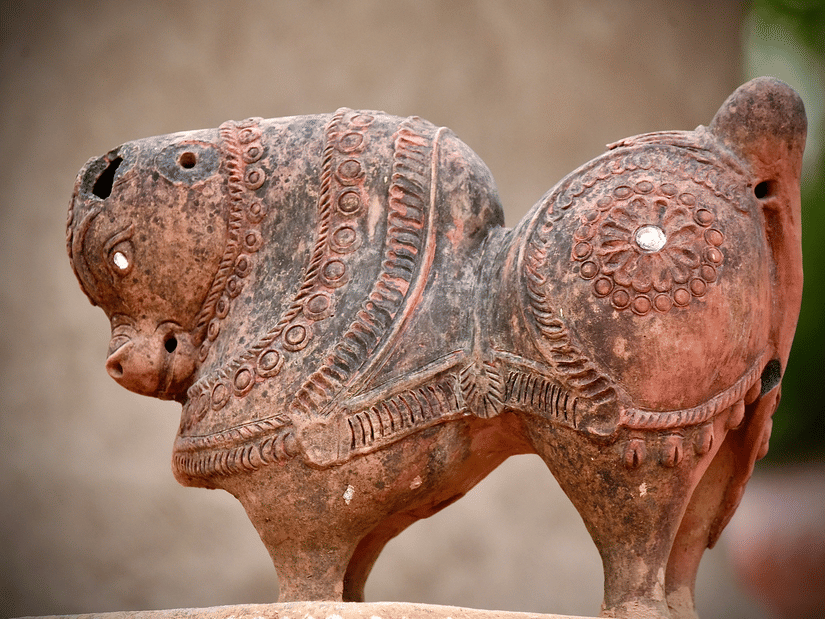
This craft village and cultural centre was established by the West Zone Cultural Centre, located about 8 km from the city on the western shore of Fateh Sagar. As one of the best craft markets in Rajasthan, it is a living exhibition of rural architecture, handicrafts, and performing arts from 5 western Indian states: Rajasthan, Gujarat, Goa, Maharashtra, and Madhya Pradesh.
Visitor Information:
Visitor Information:
- Entry fee is INR 50 for adults.
- The annual Shilpgram Utsav is a 10-day craft fair held every December and attracts artisans from across India.
Travelling Tip: If you visit Shilpgram during the Utsav (usually 21 to 30 December), budget at least 4 hours and carry cash, as many artisan stalls do not accept cards.
Plates, Bazaars, and Performances: Food, Shopping and Culture
Udaipur blends rich Rajasthani flavours with a relaxed cafe culture, best experienced across its old city lanes and lakefront settings.
What to Eat
- Dal Baati Churma: A must-try local staple, best enjoyed at Natraj Dining Hall
- Laal Maas: A bold, spicy Mewar speciality found across old city restaurants
- Rooftop Dining: Cafes around Lal Ghat and Gangaur Ghat offer lake and palace views.
Where to Shop
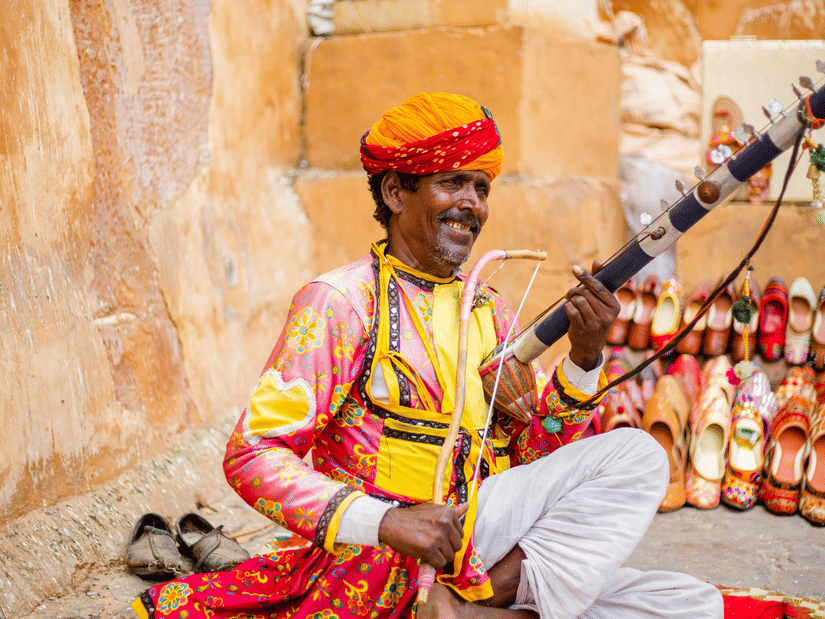
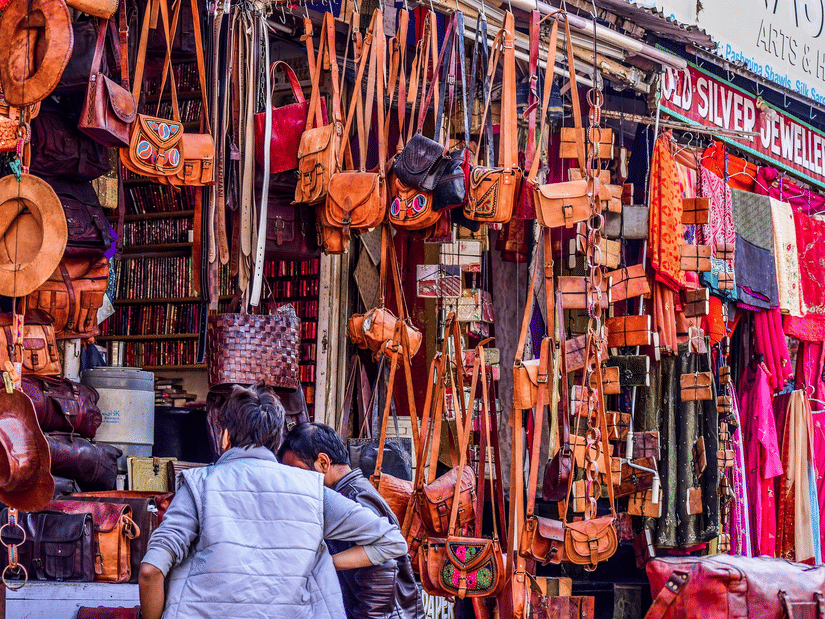
- Hathi Pol and Bada Bazaar: Handicrafts, textiles, and souvenirs
- Jagdish Chowk: Miniature paintings by local artists
- Government Emporia: Fixed-price handicrafts and reliable quality
Travelling Tip: Bargaining is common in local markets; carry cash
Culture and Experiences
- Mewar Festival: Celebrates spring with processions and lake rituals
- Shilpgram Utsav: A December craft fair showcasing artisans from across India
- Dharohar Dance at Bagore Ki Haveli: Evening folk performances featuring Ghoomar and Kalbelia
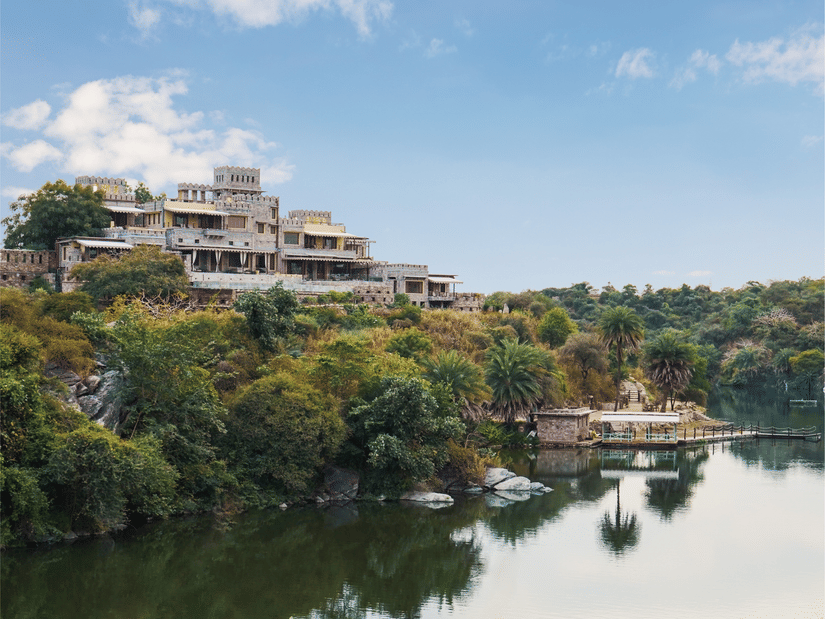
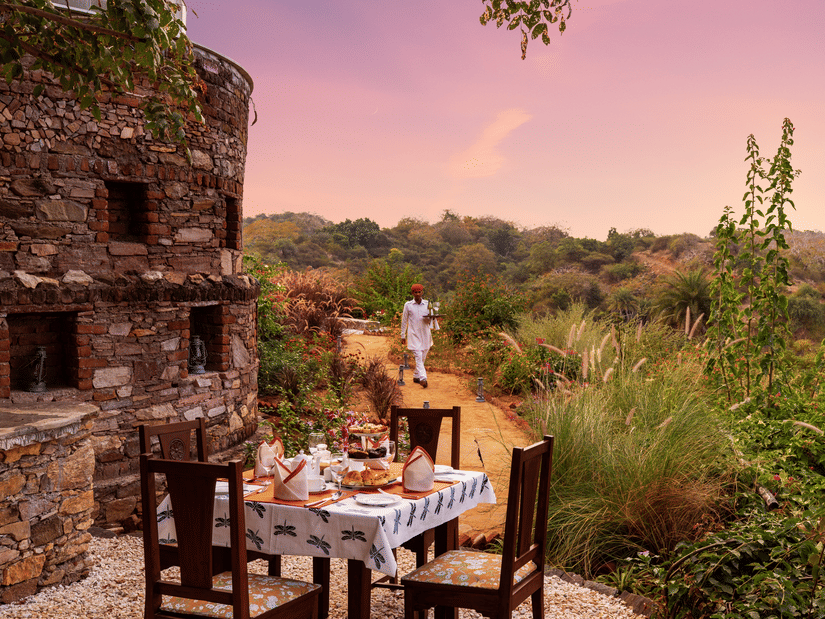
For travellers following the Udaipur travel circuit, Chunda Shikar Oudi, located about 37 km from the city, offers a stay that brings together heritage, wilderness, and unhurried luxury.
- A heritage retreat inspired by Mewar’s royal hunting legacy, set within 400 acres of private woodland and a serene lake
- Lake-view suites with private balconies and scenic bathrooms designed for a quiet, immersive stay
- Villa with Private Pool offering expansive space, privacy, and a fully exclusive experience
- All-inclusive experiences, including boat rides, jungle safaris, nature walks, and stargazing
- Rich wildlife presence with chances to spot leopards, nilgai, and more within the reserve
- Curated dining from traditional Mewar thalis to lakeside experiences, with all meals included
- Exciting offers that blend indulgent stays, immersive experiences, and Udaipur’s timeless charm at exceptional value.
It is here that Udaipur’s story slows down, allowing you to experience its heritage, landscapes, and quiet luxury in their most complete and unhurried form.