A Palace Begun in the Mid-1500s on the Shore of Lake Pichola
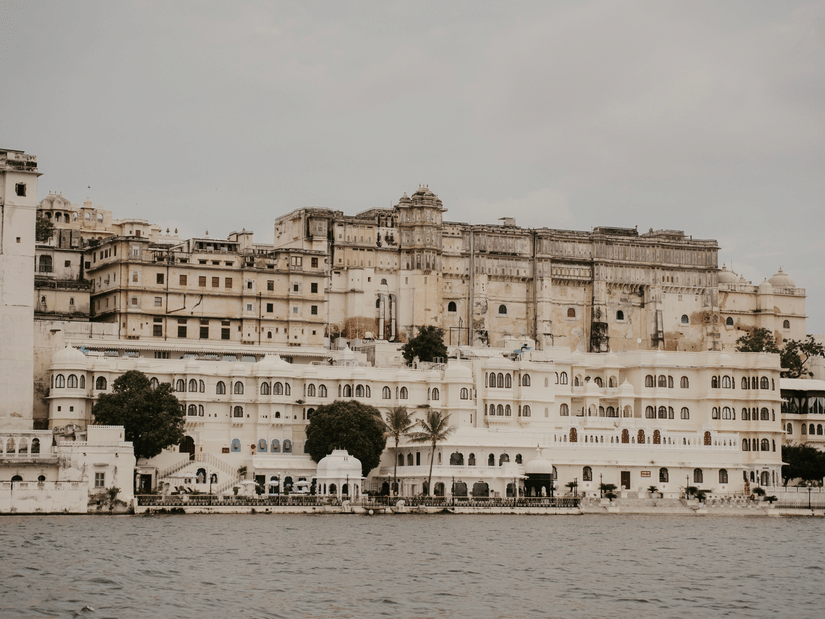
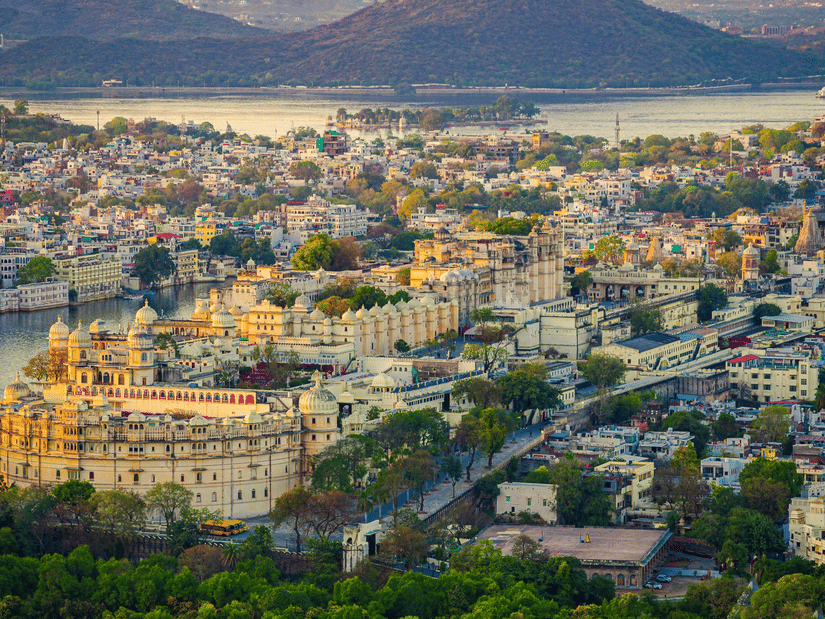
Maharana Udai Singh II laid the first stones of the palace in the mid-1500s, shortly after founding the city of Udaipur. He chose the site partly for defence, since the surrounding Aravalli hills and Lake Pichola offered natural protection. That early City Palace history, Udaipur, shaped everything that followed, since later rulers kept building around its original core.
400 Years of Expansion under the Sisodia Rajputs
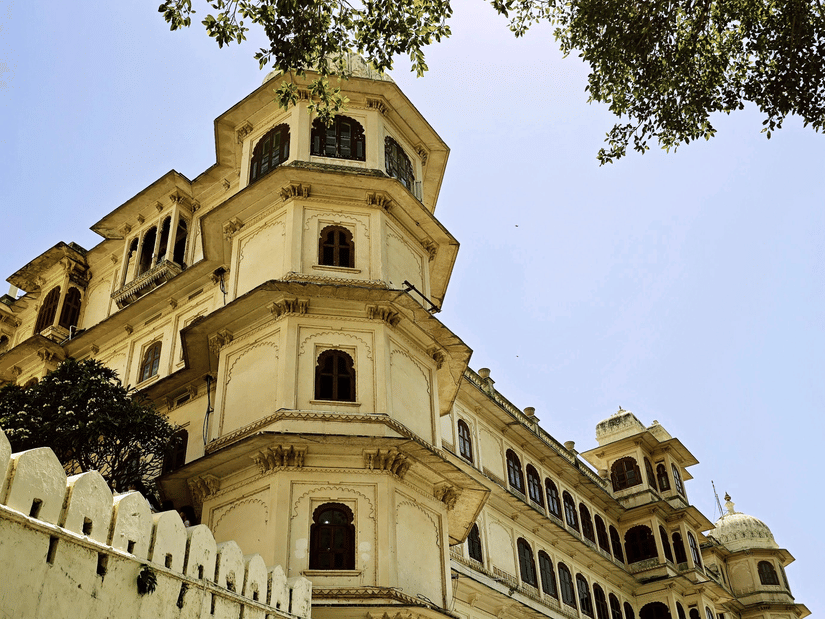
Around 22 generations of Sisodia Rajput rulers added to the palace after Udai Singh II, each leaving a distinct mark. The Sisodia line carries one of the longest continuously documented ruling lineages in Rajasthan, tracing back several centuries. That continuity matters for visitors, since it means the palace reflects shifting tastes across nearly 4 centuries in one place. Later, Maharanas added new wings well into the 20th century, including sections built for hosting foreign dignitaries.
Balconies, Courtyards, and Corridors
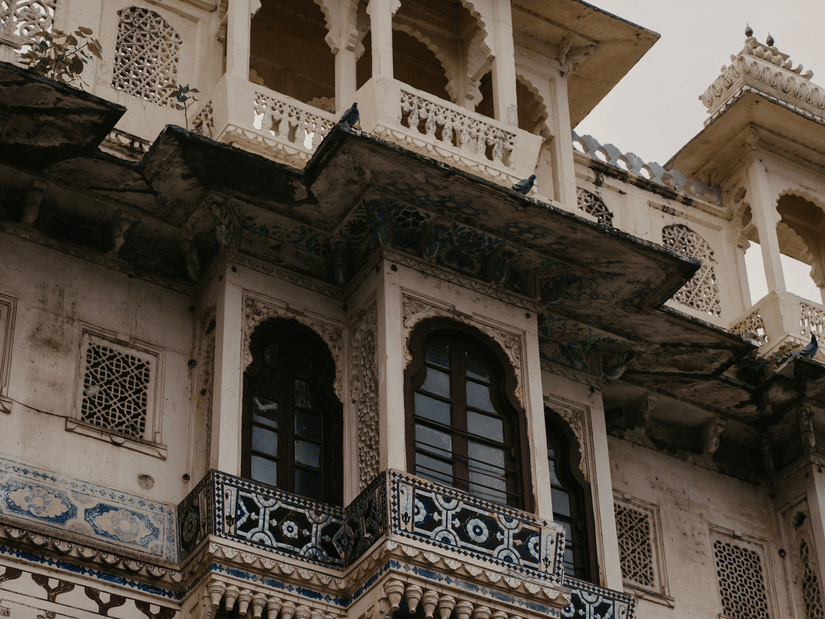
Delicately carved balconies project from the Udaipur Palace walls, offering sweeping views of the courtyards below and the shimmering waters of Lake Pichola beyond. Within the Zenana Mahal, these balconies allowed the royal women of Mewar to observe ceremonies, celebrations, and daily life in the courtyards while remaining hidden from public view.
As you move through the palace, a network of narrow, zigzagging corridors connects its many wings. Originally designed as a defensive feature to slow intruders, these passageways now lead visitors through elegant courtyards, museum galleries, and scenic viewpoints, revealing a different perspective of the palace at almost every turn.
Where Rajasthani Craft Meets Mughal Ornament
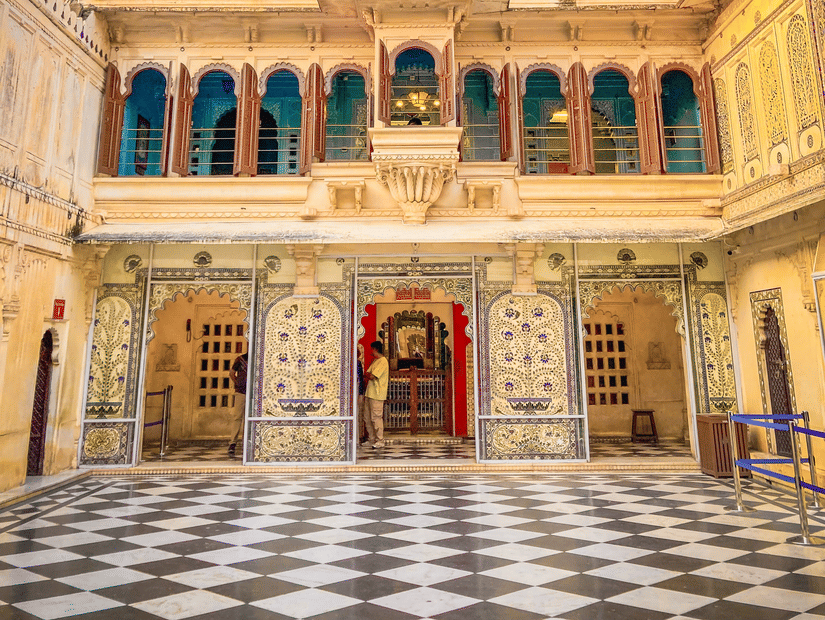
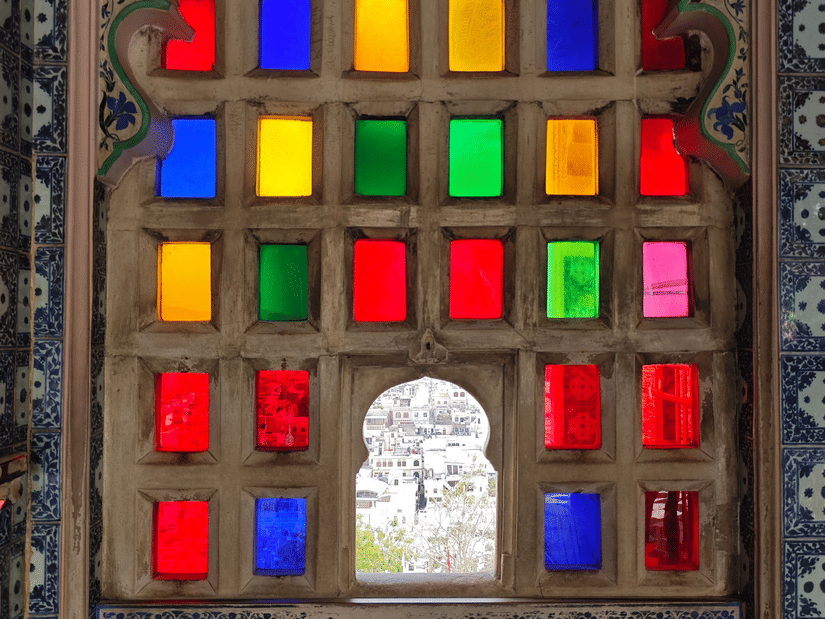
Rajasthani craftsmanship is evident throughout the palace, from its finely carved stone facades and intricately patterned jharokhas to the delicate marble detailing that adorns many of its halls and courtyards. Within the inner chambers, graceful Mughal-inspired arches and domes reflect the artistic influences that shaped the palace over centuries.
Sheesh Mahal features thousands of hand-set mirrors arranged in intricate patterns that once reflected the glow of oil lamps, creating a mesmerising effect.
Mor Chowk and the Palace's Named Courtyards
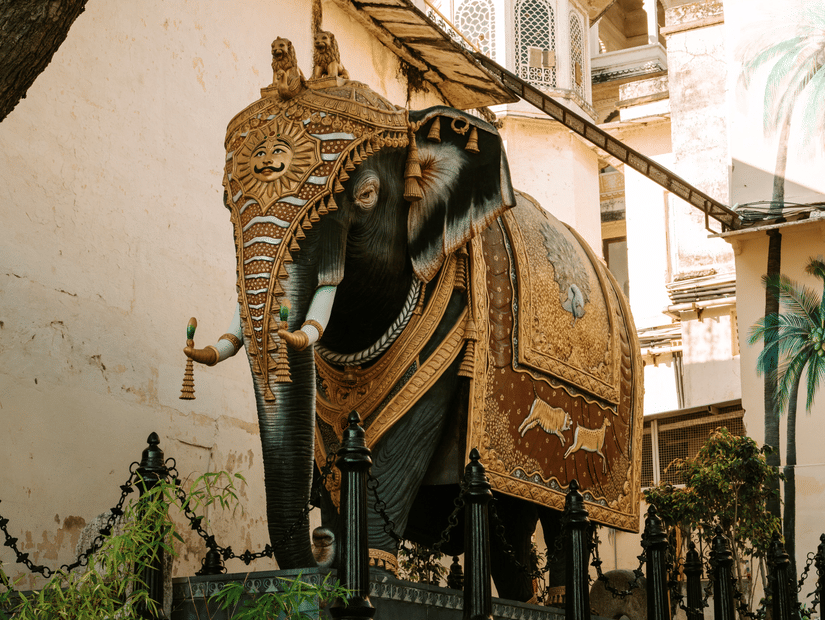
Mor Chowk (the Peacock Courtyard) remains the most photographed spot inside the complex, with vibrant glass mosaics forming exquisitely detailed peacocks that make it one of the artistic highlights of City Palace, Udaipur. Haathi Pol (the Elephant Gate) gained wider recognition after appearing as a filming location in the 1983 film ‘Octopussy’.
Royal artefacts on display include weapons, paintings, and ceremonial objects collected across generations of the ruling Mewar family. These named spaces make useful landmarks when navigating the wider complex, since directional signage can be sparse.
City Palace Museum and the Separately Ticketed Crystal Gallery
The Udaipur Palace complex houses 2 distinct paid attractions, and travellers sometimes assume one ticket covers both. City Palace Museum, run by the Maharana of Mewar Charitable Foundation (since 1969), covers most of the historic apartments. Crystal Gallery sits inside the separate Fateh Prakash Palace wing and requires its own ticket, purchased at a different counter.
Timings, Entry Fees, and a Few Practical Tips
Before planning your visit, it's worth checking the latest ticket prices on the official website, as they may change seasonally. The following information reflects the current visitor guidelines.
- Museum Timings: Open daily from 9:00 AM to 9:00 PM, with the last museum tickets issued at 8:00 PM
- Palace Complex Hours: The wider City Palace complex is generally open from 9:30 AM to 5:30 PM, making it ideal to begin your visit in the morning
- Palace Entry: Access to the outer courtyards is available for approximately INR 50
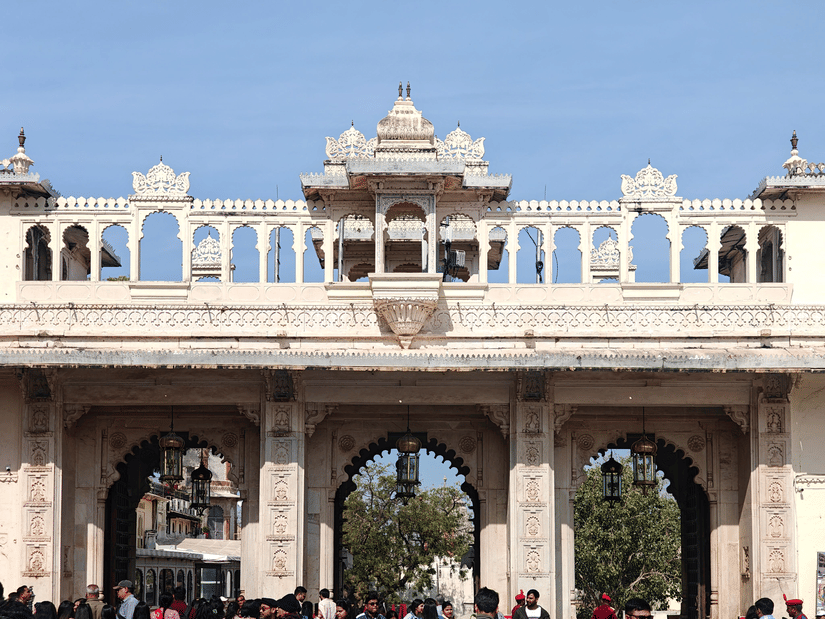

- Museum Tickets: Standard admission is INR 400 per adult. Children aged 5-18 years pay INR 150, while children below 5 years and differently abled visitors receive free entry
- Optional Experiences: The Crystal Gallery requires a separate ticket, while the Vintage Car Collection and Lake Pichola boat rides can also be booked at an additional charge
- Photography: Personal photography is permitted in many areas, although camera charges may apply depending on the ticket purchased or specific galleries. It's best to confirm the latest policy at the ticket counter.
For the most comfortable experience, arrive soon after opening time to explore the galleries before larger tour groups arrive. Allow 2–3 hours to see the museum at a relaxed pace, and longer if you plan to visit the Crystal Gallery or take a boat ride on Lake Pichola.
Best Season and a Time of Day
The winter months from October to March bring the most comfortable weather, with daytime temperatures between 15 and 25 degrees Celsius. Summer stretches from April to June and can push past 40 degrees Celsius, making early morning visits the only comfortable option. Monsoon season, roughly July through September, brings heavy rain that makes the open courtyards less pleasant to explore.
A visit pairs naturally with nearby Jagdish Temple or a boat ride on Lake Pichola, both within easy walking distance. Early morning visits also help avoid the midday heat, which is especially useful during the warmer months from March onward.
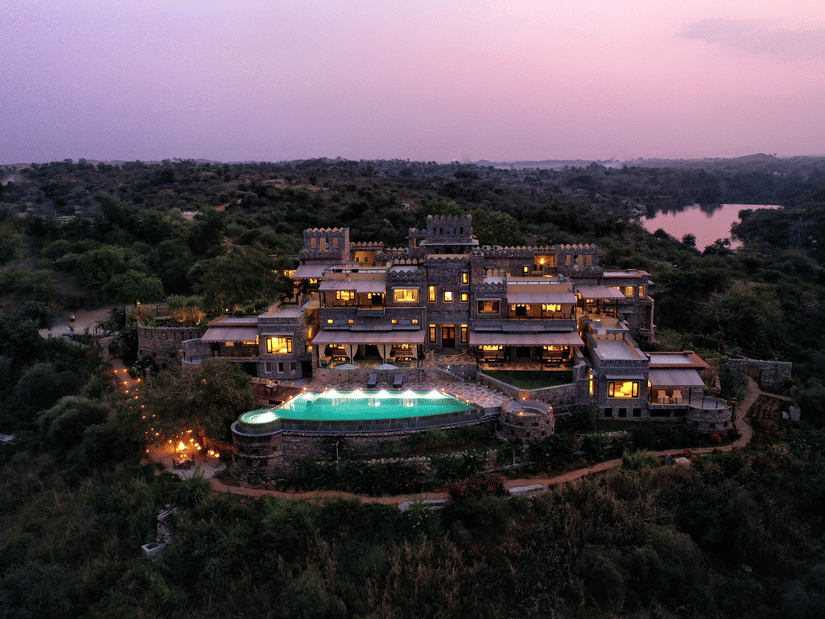
A Countryside Base an Hour from the Palace
After exploring the grandeur of City Palace, Udaipur, trade the city's lively streets for the quiet charm of Chunda Shikar Oudi. Located around an hour away amidst 400 acres of private forest, this former royal hunting lodge offers a peaceful retreat where nature takes centre stage. Its heritage-inspired architecture, thoughtfully designed rooms and suites, and serene surroundings create the perfect setting to unwind after a day of sightseeing.
Savour authentic local flavours and comforting favourites at the property's dining spaces, head out on a guided jungle safari, or simply relax under a canopy of stars. It's an opportunity to experience a different side of Udaipur, one that's away from the bustle of the city while remaining deeply connected to Rajasthan's royal legacy.